Outcomes
- 01
Responsive discovery, swipe-and-match, and profile interfaces built from Figma for mobile-first use
- 02
Shared components organised around product concepts, reducing duplicated markup across views
- 03
Company-level context after launch: A$1.38M pre-seed and 1,156 sign-ons in the first 24 hours (reported February 2023)
What was Getahead building?
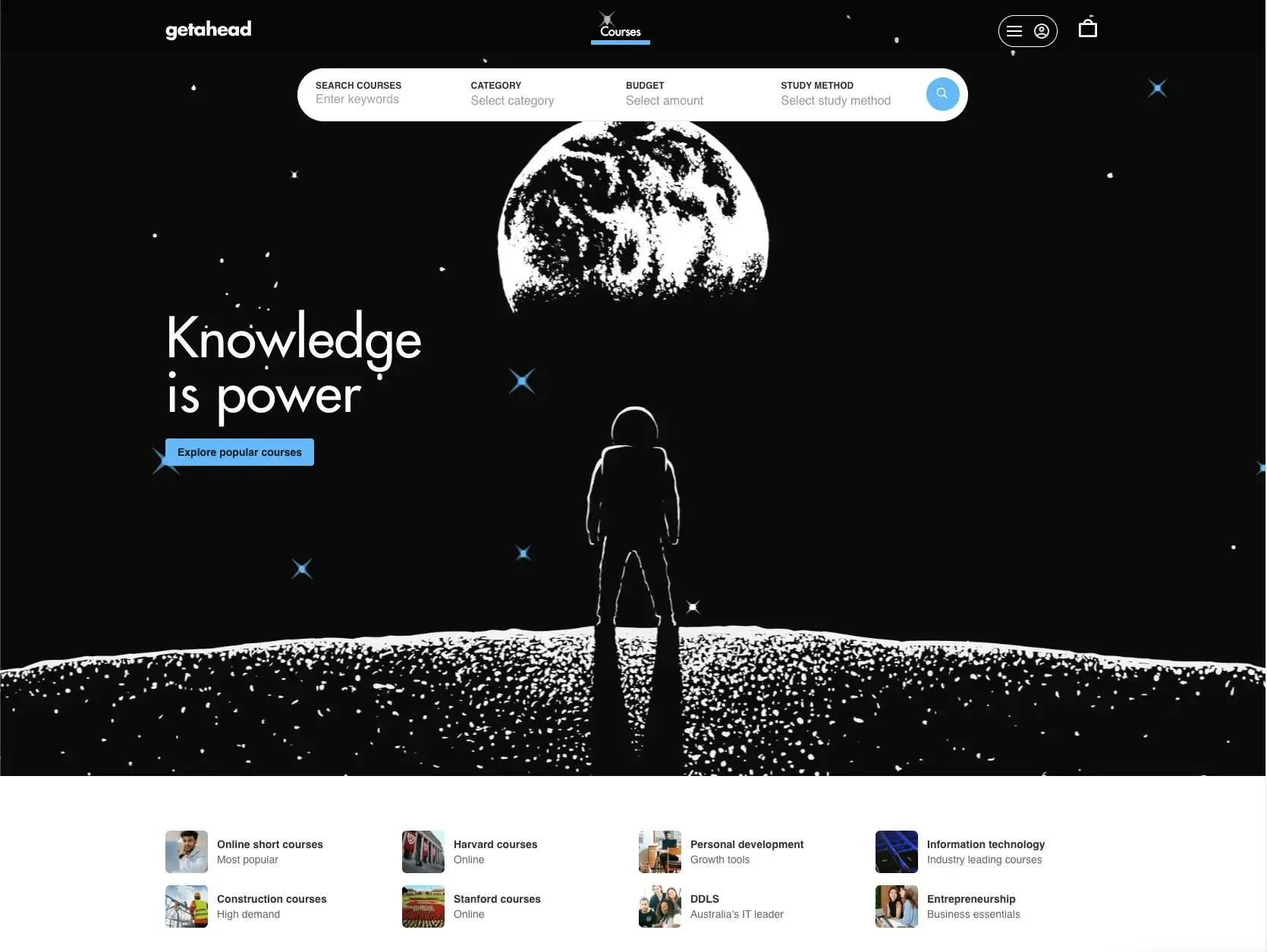
Getahead was building an Australian job marketplace around swipe-based discovery. Employers could review candidate profiles, match with suitable people, and continue the conversation through the product. My scope was the frontend experience, with particular attention to mobile interaction and reusable React components.
What did I implement in React and Next.js?
I translated the product designs from Figma into responsive React interfaces. The work included:
- candidate and job discovery screens;
- swipe and match interaction states;
- profile presentation across mobile screen sizes;
- shared components for repeated marketplace patterns;
- loading, empty, and error states around user actions.
The swipe interface needed more than a visual card animation. Each action had to update the current item, preserve the next item in the sequence, and keep the interface responsive during network activity. I separated those interaction states from the visual components so the same components could support later product changes.
Why did the component architecture matter?
The marketplace reused the same information across discovery, matching, messaging, and profile views. I built components around those product concepts rather than around individual pages. That reduced duplicated markup and made design changes easier to apply across the application.
I also worked closely with the design team to resolve responsive behavior that was not fully represented in desktop mockups. Mobile use was central to the product, so touch targets, card hierarchy, and content density were treated as product requirements.
What happened after launch?
Public reporting provides useful context for Getahead’s early launch, but it should not be interpreted as the result of one engineer or one interface. In February 2023, Inside Small Business reported that Getahead had:
- raised A$1.38 million in pre-seed funding;
- hosted applications from more than 1,500 job seekers;
- recorded 1,156 sign-ons in the first 24 hours without advertising.
These figures describe company-level traction after launch. See the independent funding and adoption report.
[→] More work